

Moments Between Moments: Wayne Buchner’s Street Photography
Published Jan 30, 2026
Includes affiliate content
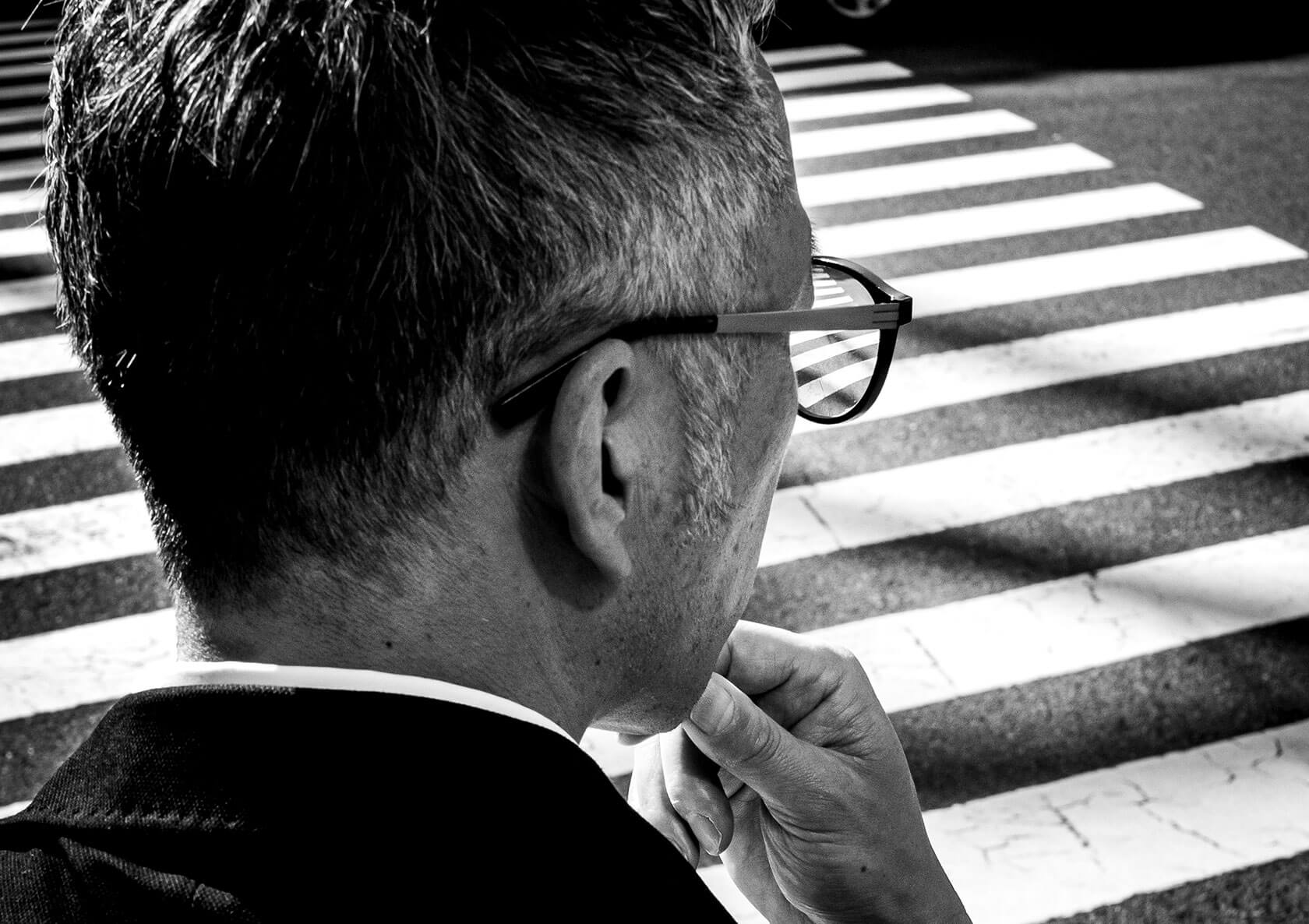
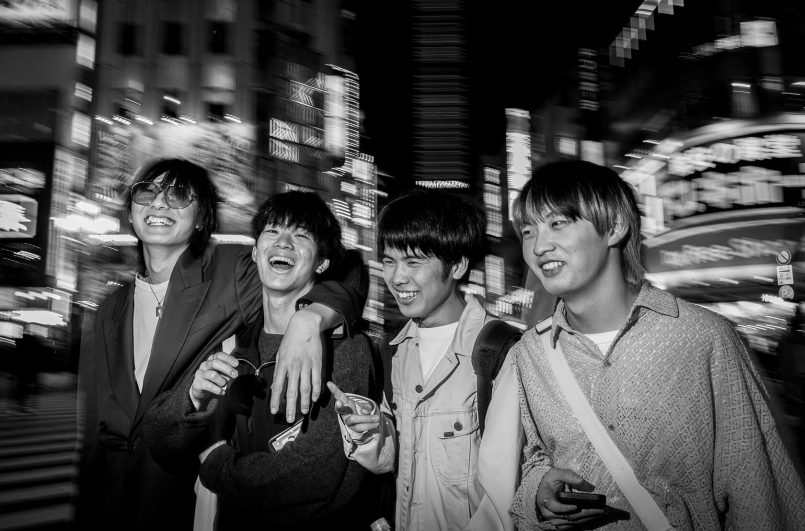
Wayne Buchner’s photographs are anchored in people rather than places.
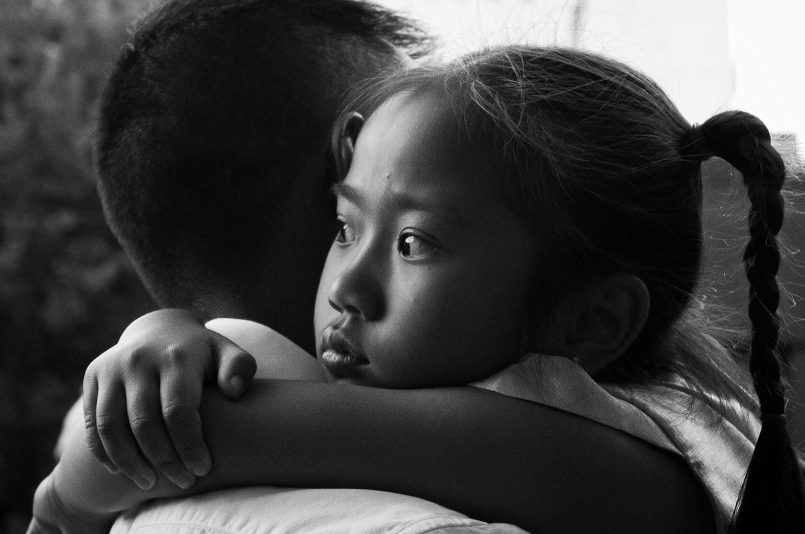
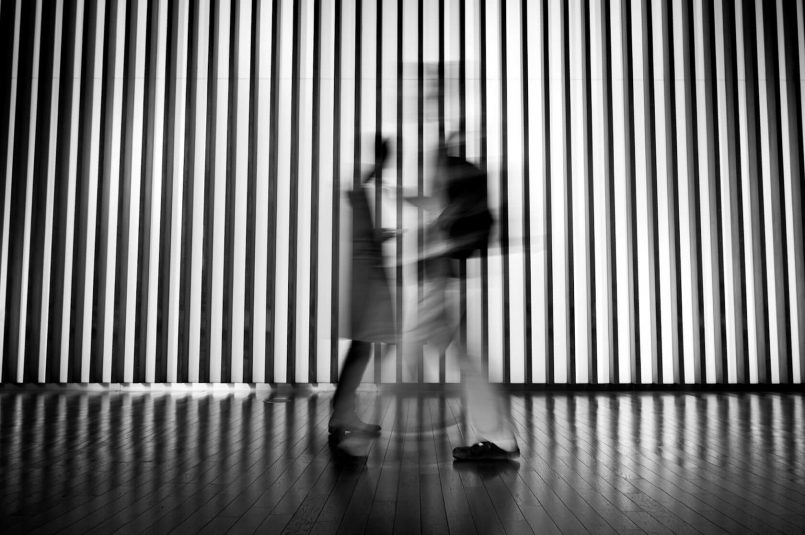
Even when cities like Tokyo or Osaka form the backdrop, the real subject is always human presence. A shared glance between strangers, a father embracing his child, a figure momentarily isolated by light and shadow. His images emerge from observation rather than extraction, grounded in patience, proximity and timing.
That sensitivity did not arrive overnight. Wayne’s relationship with photography began early and unfolded through different chapters of his life. He held his first camera at twelve and spent nearly twenty years working professionally, moving through one-hour labs, portrait studios, cruise ships, and eventually his own commercial practice.
He photographed products for major Australian brands, built a niche shooting corporate golf, and worked editorially with publications like Golf Australia and Golf Victoria. At the time, photography was a job first. “A great picture back then meant being paid,” Wayne reflects. The work was technically demanding and often rewarding, but it also carried the weight of deadlines, invoices and creative compromise.
Over time, that pressure eroded the joy of shooting. Unpredictable payment practices, client expectations and the constant stress of running a studio pushed Wayne away from photography entirely. He sold his gear, stepped back from the industry, and rebuilt his career as an iOS developer. For years, he didn’t even own a camera. Photography became something he had done, not something he was actively part of.
The return came unexpectedly. After a conversation with a close photographer friend where he insisted he would never buy another camera, Wayne purchased his first Leica just days later. The decision was instinctive rather than strategic. “It sang to me,” he says. Leica had always felt aspirational during his commercial years, a dream rather than a practical tool. This time, it aligned perfectly with how he wanted to work. The tactile experience, the simplicity, and the absence of distraction allowed him to reconnect with photography as a personal practice rather than a profession.
“Holding a Leica was a game changer in my life. It sang to me. Cameras need to sing to their artists. I’m not saying I’m an artist, but no Nikon, Fuji or Canon ever did that for me. None of them ever told me to pick it up and go create. It felt amazing, and it still does three years later.”
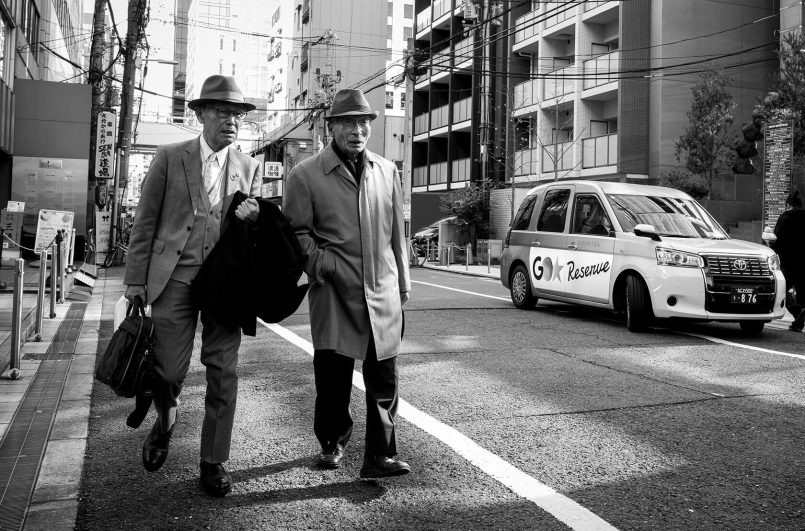
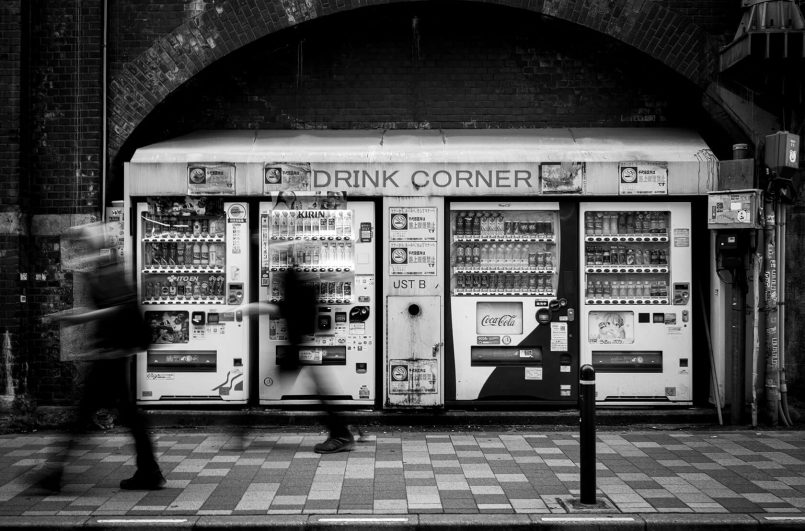
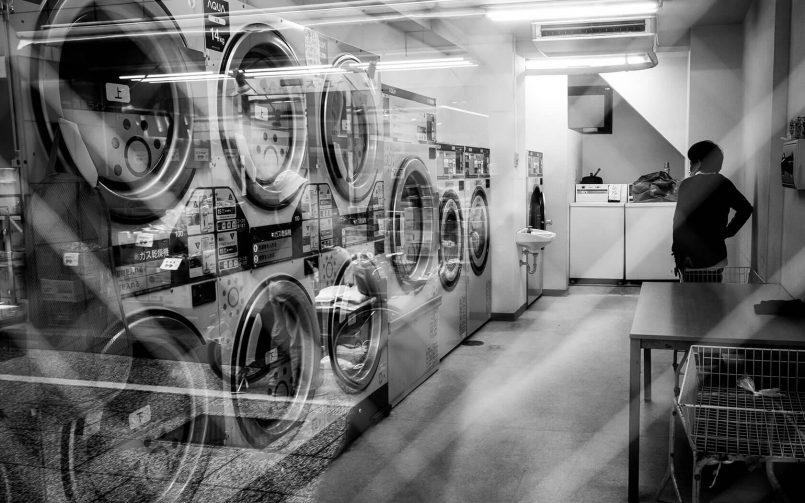
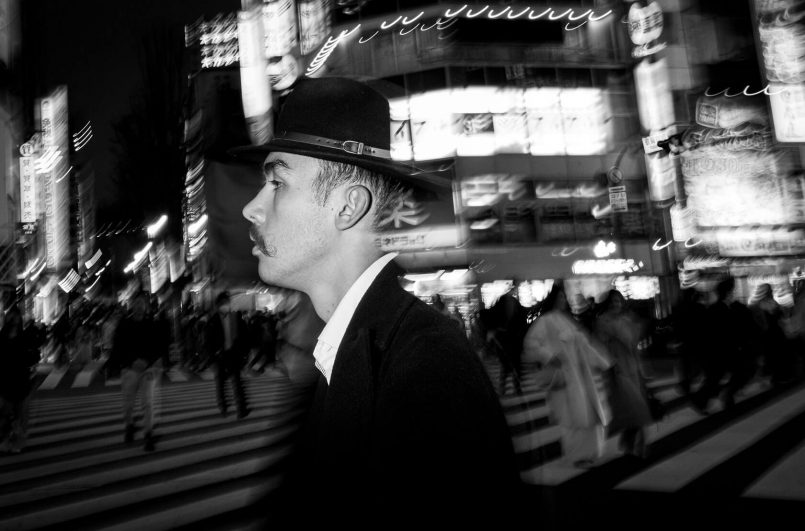
Japan quickly became central to that renewed relationship with the camera. What began as curiosity turned into repeated visits, each trip reinforcing Wayne’s connection to place and people. He describes Japanese cities as spaces where he can blend into the flow of daily life, observing without interruption. The density of the streets allows for anonymity, while the openness of the people invites interaction. Conversations begin over coffee, often sparked by his trusty Leica M11-D resting on a table, and sometimes develop into lasting friendships. These encounters shape the work as much as the photographs themselves.
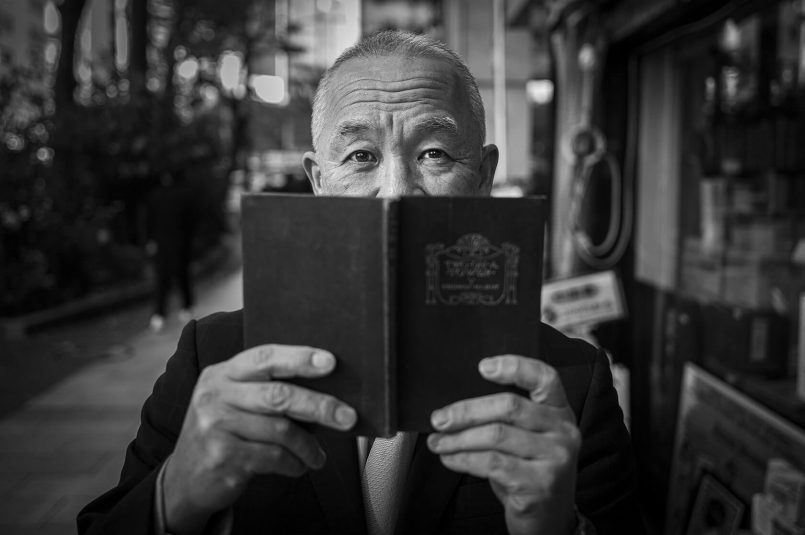
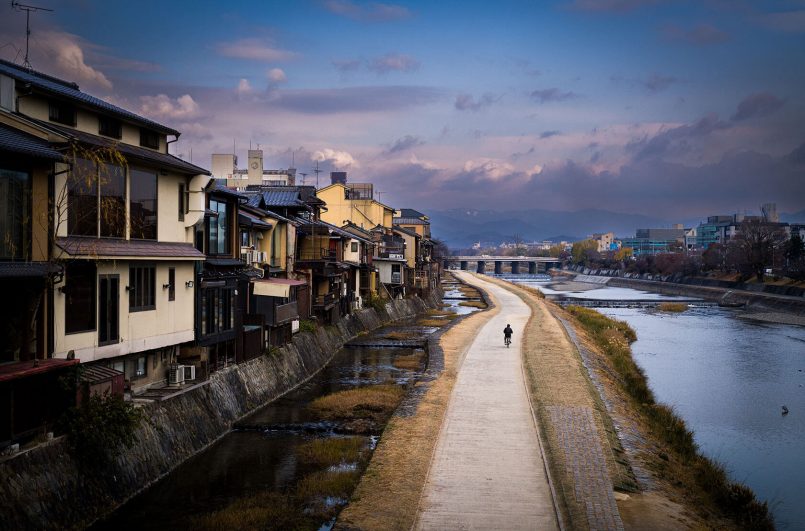
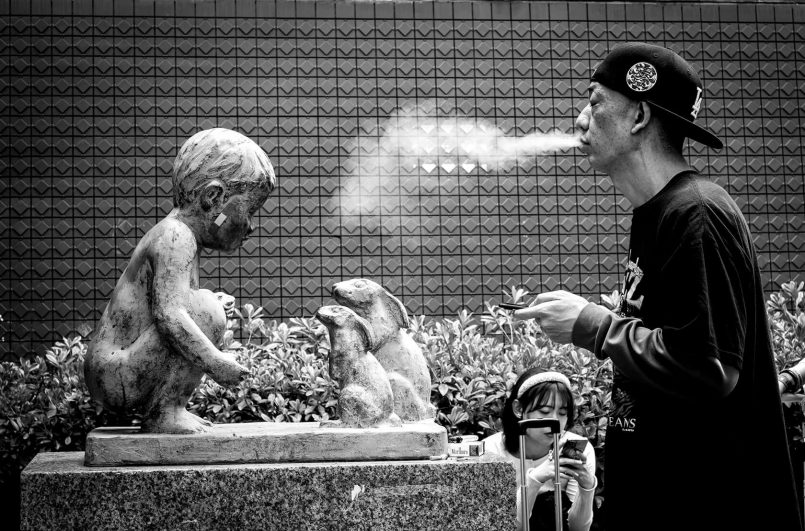
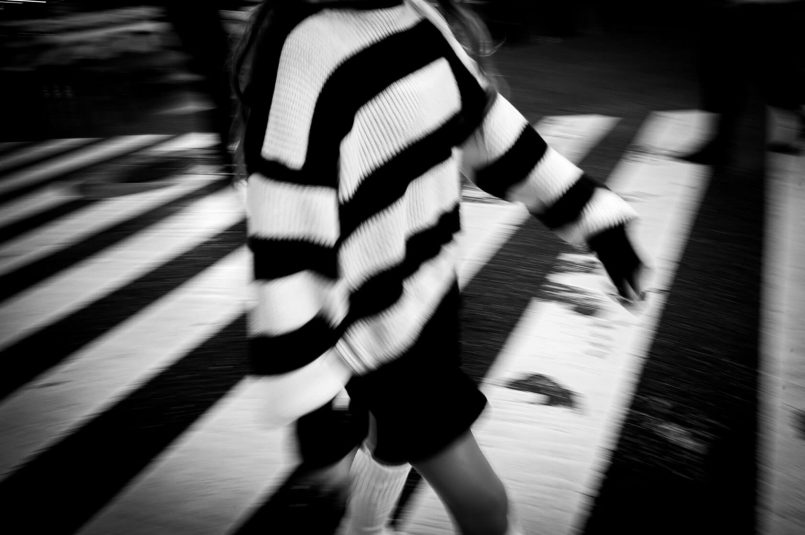
Wayne doesn’t head out with a checklist or a predetermined theme. His process is reactive, grounded in attentiveness rather than intention. “Most days I have no plan,” he says. “I know what I want long term, but I respond to what’s in front of me.” His Leica setup supports that way of working. Compact, quiet and unobtrusive, it allows him to stay present and move naturally through public space. He often shoots without raising the camera to his eye, rarely reviews images on screen, and prioritizes instinct over confirmation.
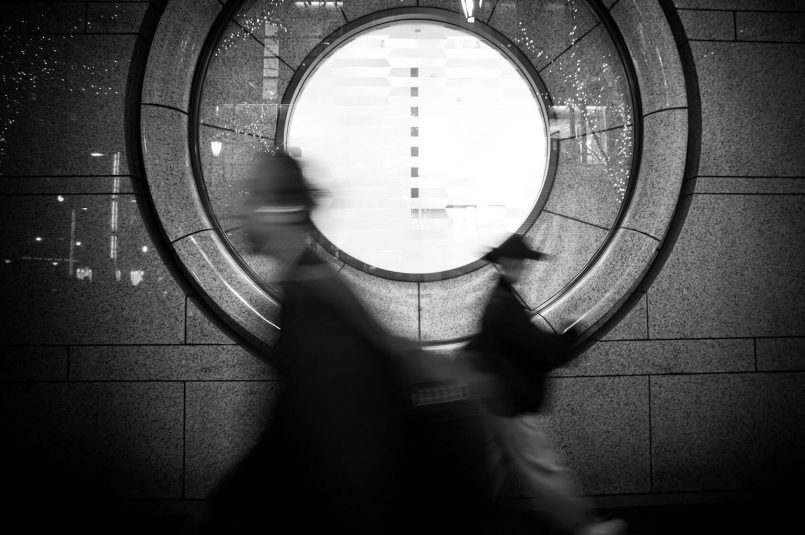
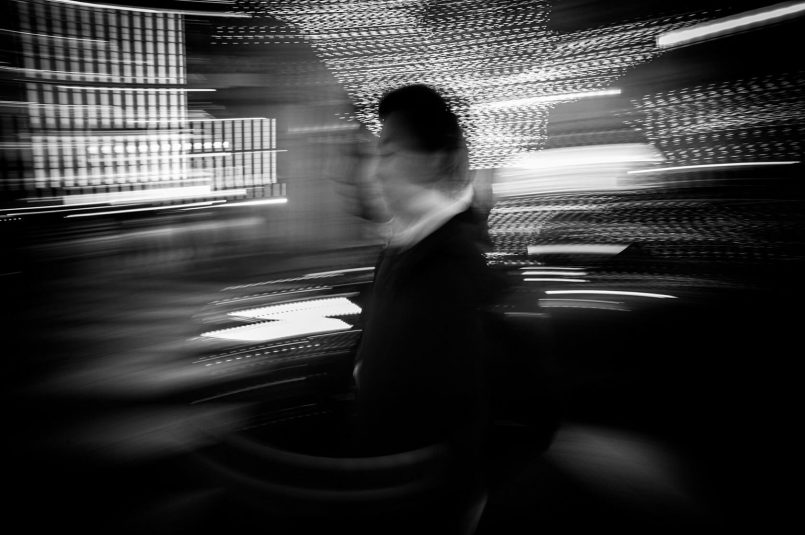
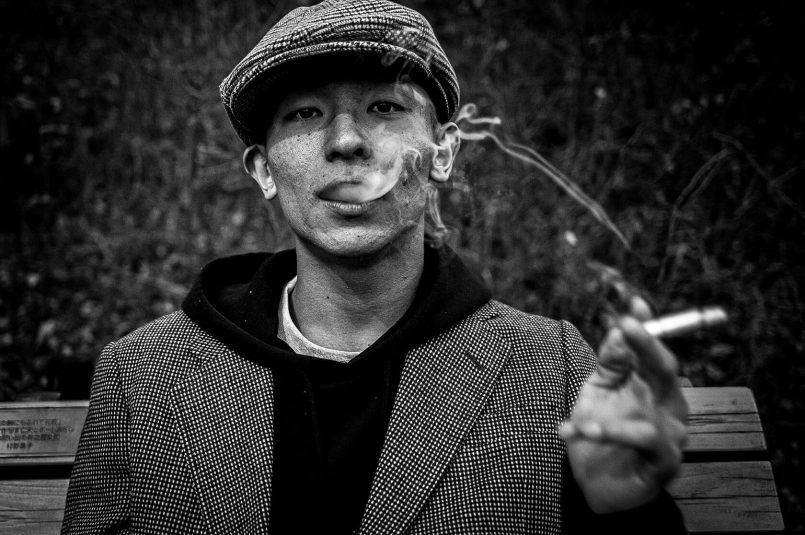
Black and white remains his primary language. It sharpens emotional clarity and removes visual noise, allowing gesture, expression and form to carry the image. Color appears when warmth or context is essential, but monochrome dominates when the story demands boldness and focus. Wayne is particularly drawn to moments of connection, fathers and children, fleeting smiles, and the subtle ways personality surfaces in everyday movement. “The goal is to bring out someone’s soul without too much interference,” he says.
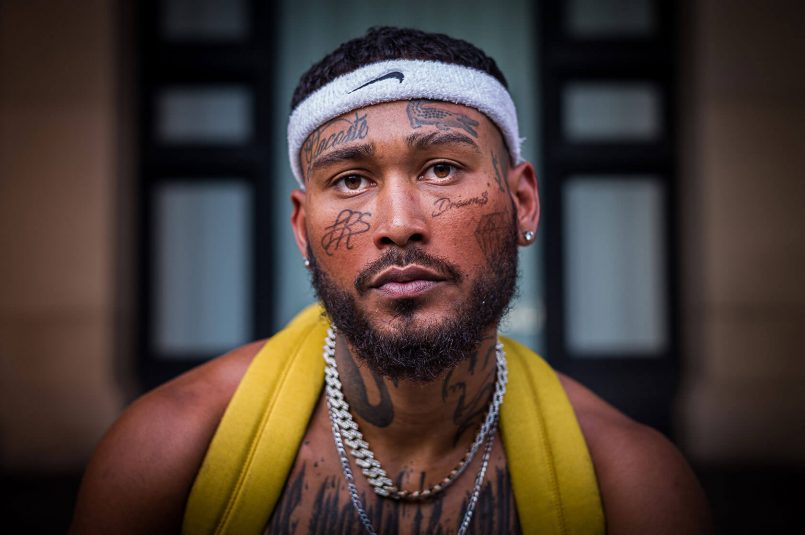
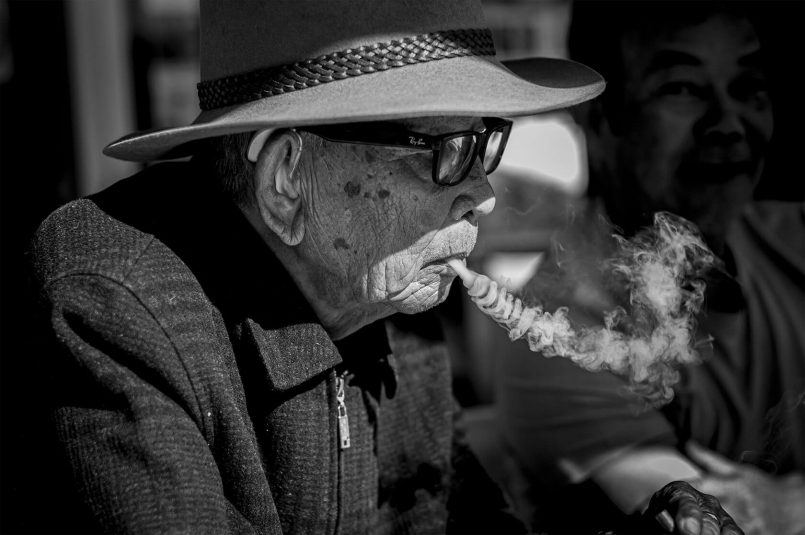
“If someone looks at a portrait I’ve taken and they feel the subject’s emotions, then I’m happy.”
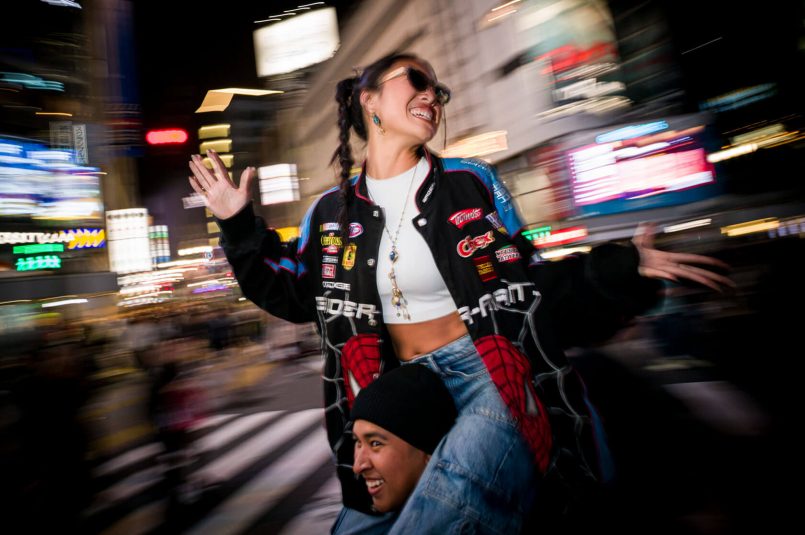
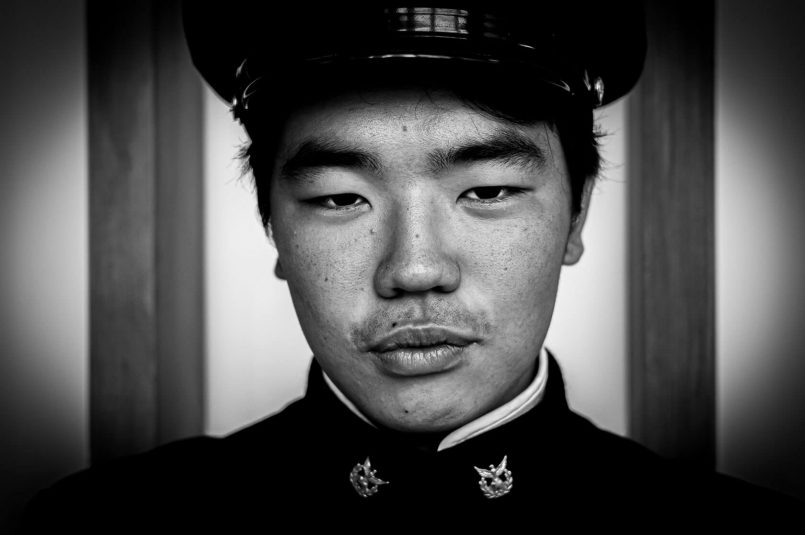
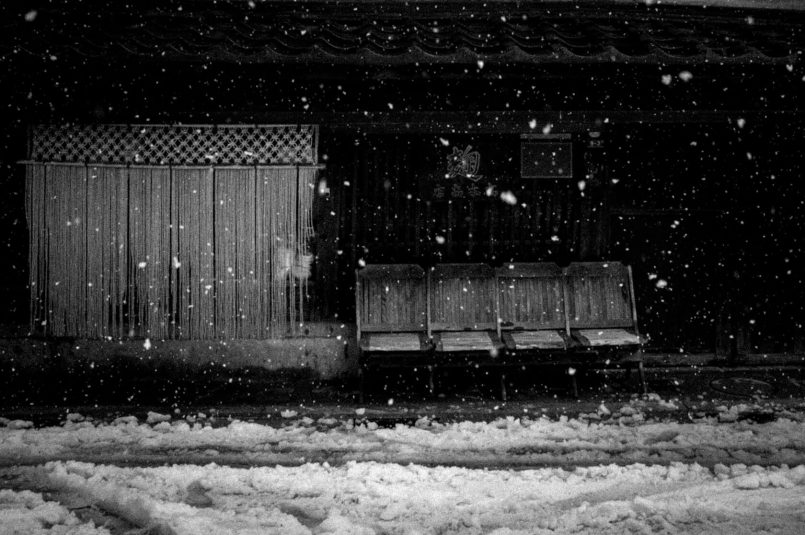
This body of work is not chasing definition or conclusion. It documents a personal return to photography and an ongoing curiosity about people navigating shared spaces. Wayne’s images sit comfortably between street photography and portraiture, shaped by experience, restraint, and a deep respect for the individuals and locations he photographs.
You can explore more of Wayne Buchner’s work and follow his latest travels on Instagram.
This article contains affiliate links to partner brands. We earn a small commission if you click the link and make a purchase. There is no extra cost to you, so it’s just a nice way to help support the site.





More
articles
Inspiration
in your inbox
Amazing art & design, never any spam.
We care about protecting your data. Please refer to our Privacy Policy for more.

- Advertising
- Architecture
- Art
- Branding
- Fashion & Beauty
- Gaming
- Graphic Design
- Illustration
- Industrial Design
- Interior Design
- Logo Design
- Packaging Design
- Photography
- Pop Culture
- Print Design
- Product Design
- Technology
- Typography
- UX & UI Design
- Vehicle Design
- Video & Motion
© 2026 Inspiration Grid, all rights reserved. Some of our posts may contain affiliate links to partner brands. We earn a small commission if you click the link and make a purchase. There is no extra cost to you, so it’s just a nice way to help support the site. All images, videos, and other content posted on the site is attributed to their creators and original sources. If you see something wrong here or you would like to have it removed, please contact us.