

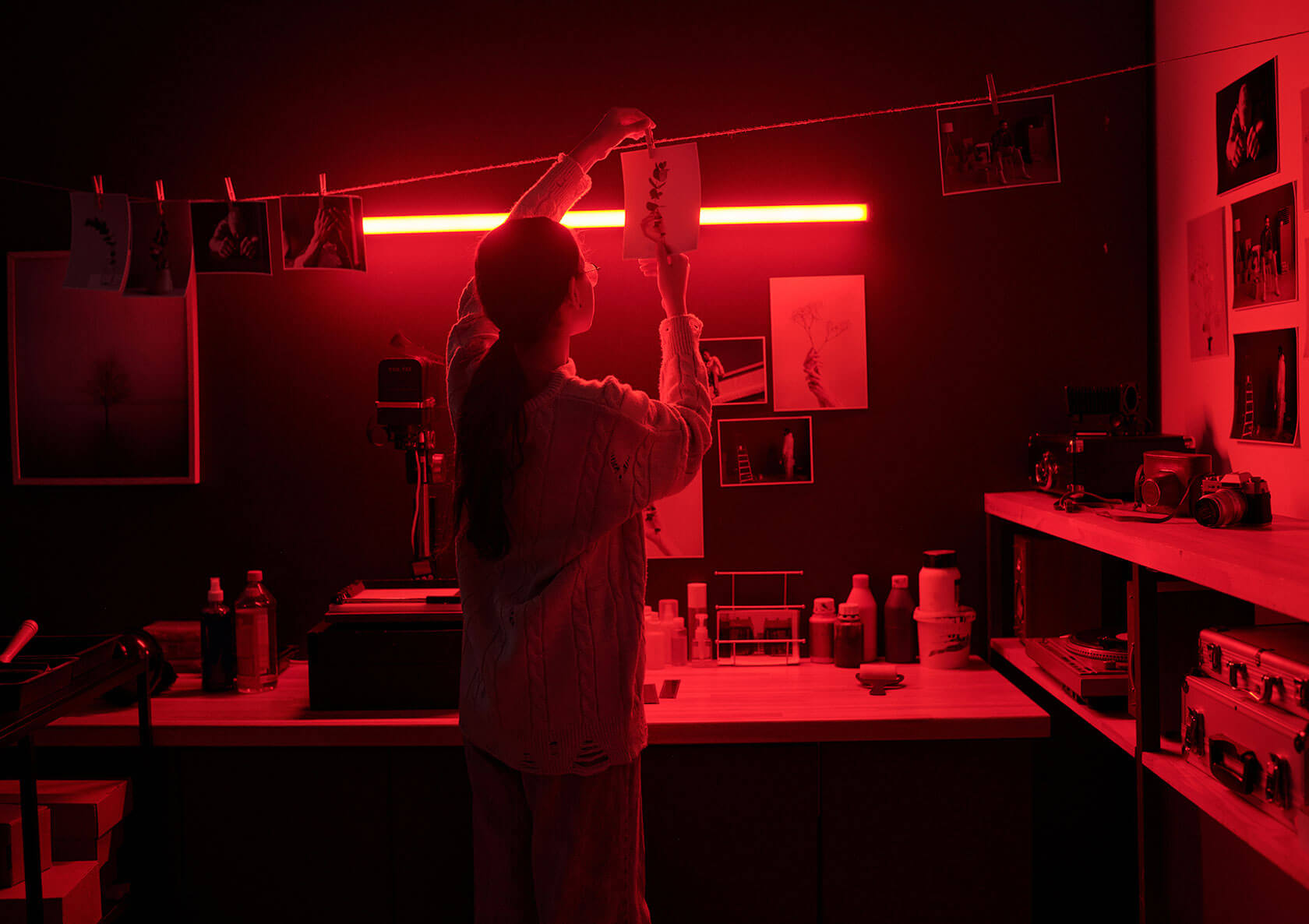
The Analog Renaissance: Why Creatives Are Reconnecting With Print, Film and Tactile Craft
Published Dec 17, 2025
Digital tools have reshaped the creative world, offering speed, flexibility and access that artists of past decades could only imagine.
Still, in studios, workshops and shared spaces around the globe, something quieter is happening. Many creatives are returning to older, slower and more tactile methods, not as a rejection of technology but as a way to bring intention and materiality back into their work.
There is a renewed appetite for processes that involve touch. The weight of paper. The grain of emulsions. The pressure of metal type against a plate. These physical qualities introduce irregularities and textures that feel personal and expressive, which helps explain why analog practices are finding fresh relevance in a digital era that often feels frictionless.
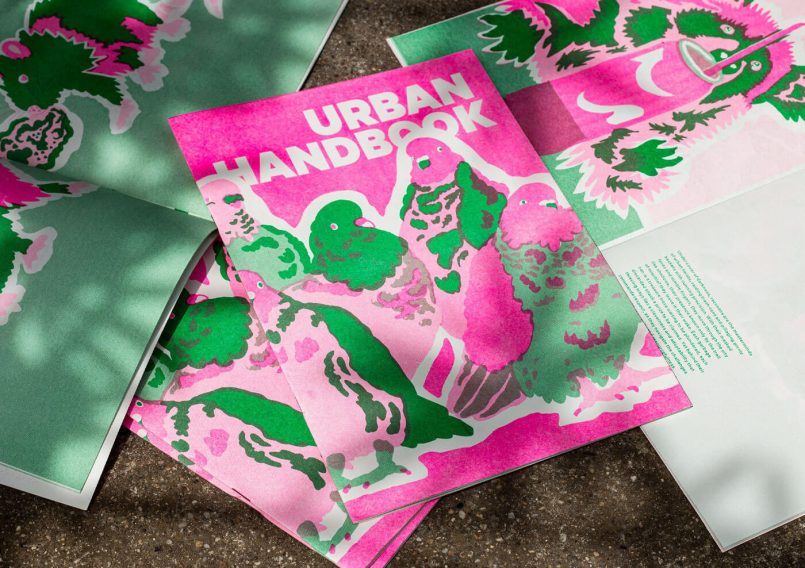
Print as a Sensory Experience
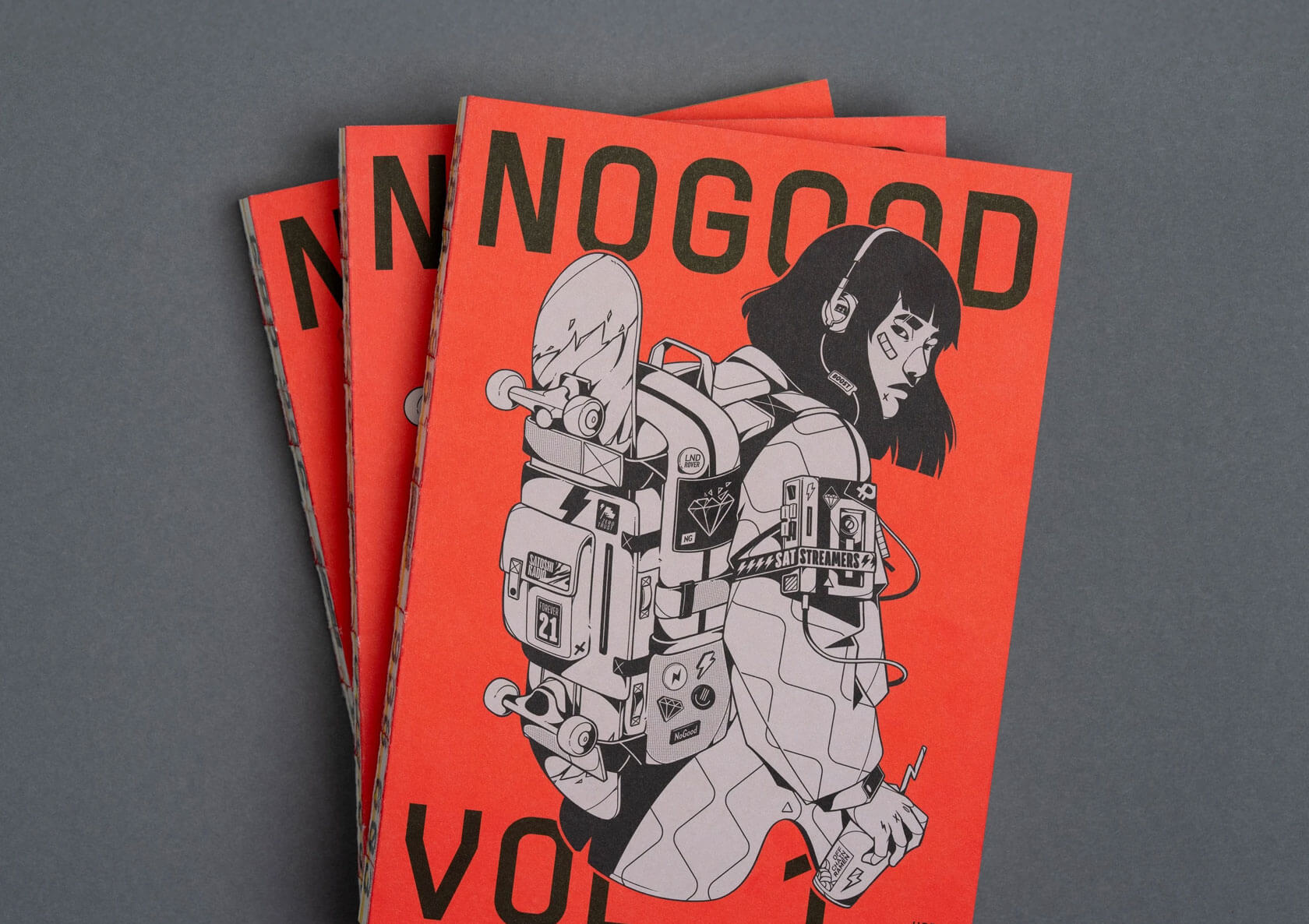
As screen-based consumption grows, artists and designers are rediscovering the physical depth of printed work. Independent presses are thriving. Risograph studios continue to experiment with layered color and imperfect registration. Limited edition posters, art books and zines are being produced in small batches that feel collectible and intimate.
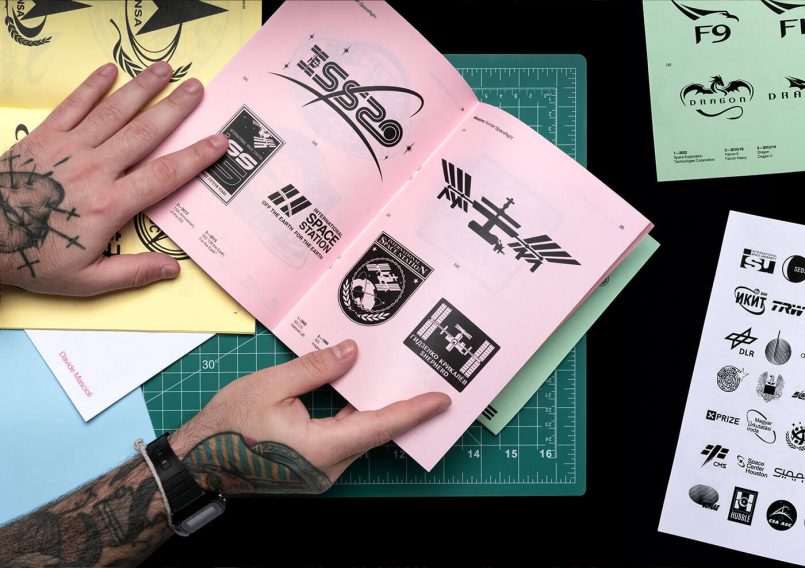
This renewed interest echoes the ideas explored in Why Print Still Matters in a Digital World, which highlights the emotional and material qualities that digital formats cannot fully replicate. A printed piece becomes an object that carries its own presence. Ink settles into the fibers of the paper. Shadows behave differently depending on the stock. Even the smallest change in pressure can alter the rhythm of a typographic composition.
These sensory nuances are difficult to reproduce digitally, which is part of the appeal. Print offers a slower, more deliberate process, where materials guide the final outcome as much as the artist does and each decision leaves a visible trace.
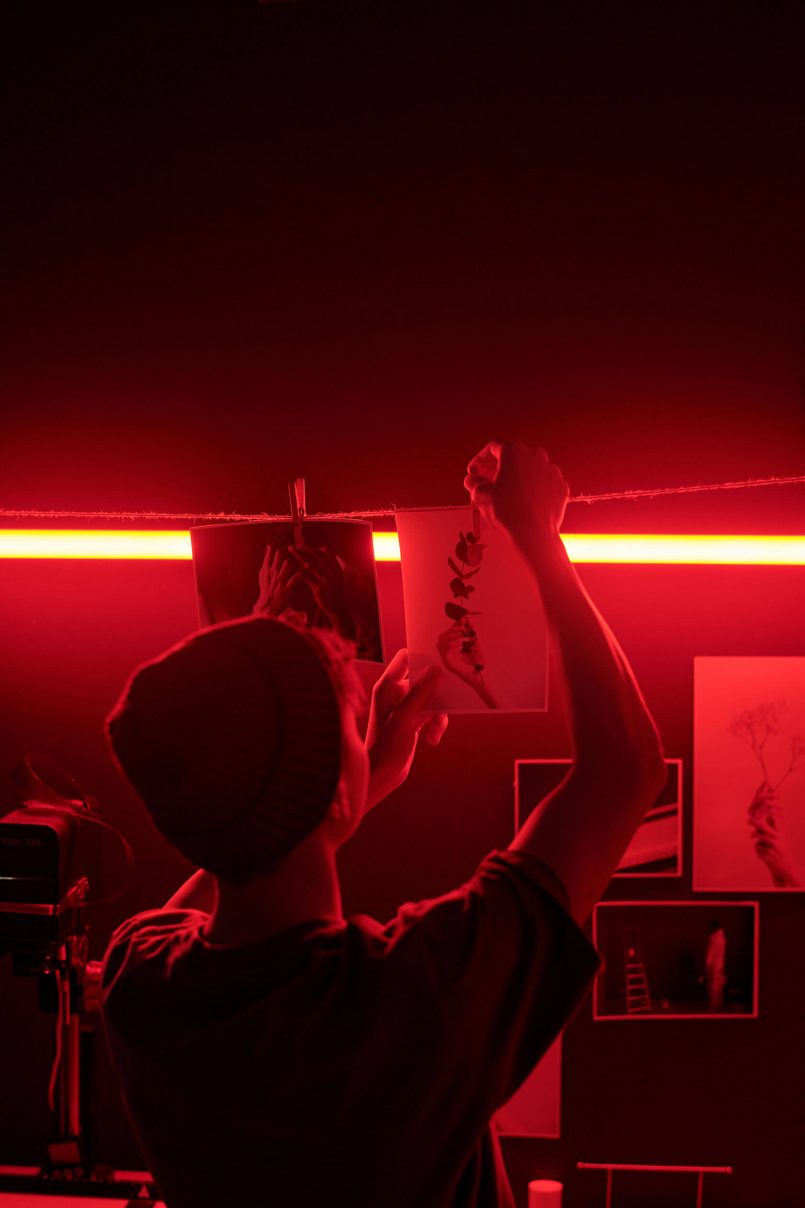
Film Photography and the Return of Craft
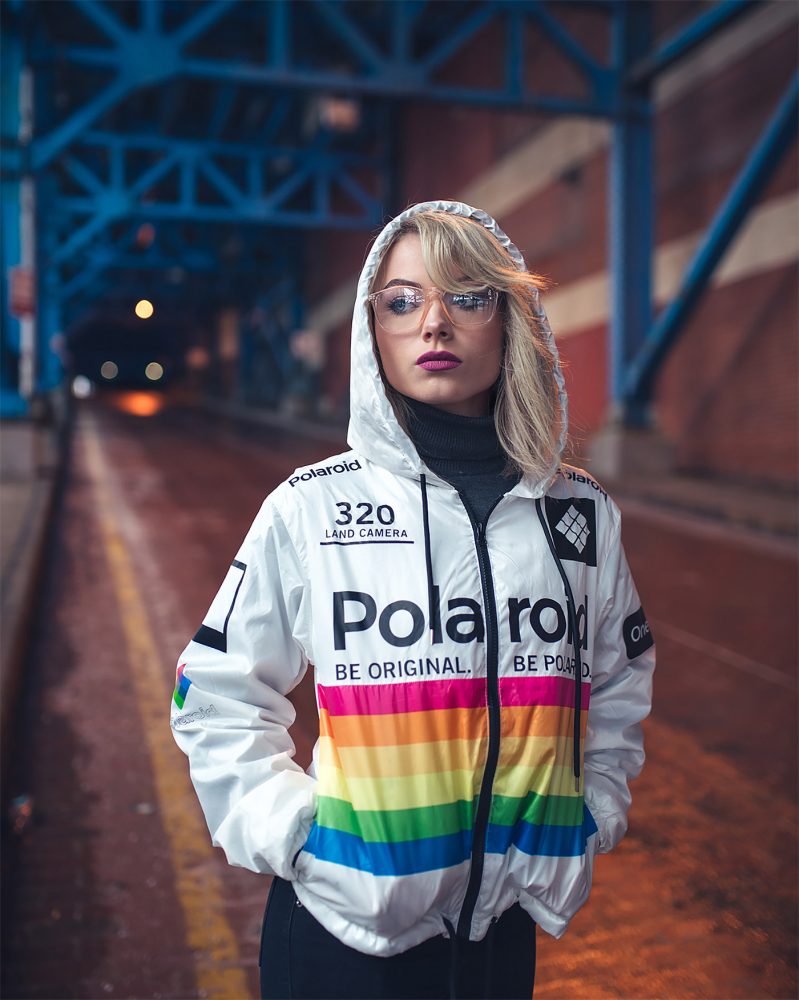
Film photography is also enjoying a global resurgence thanks to its visual and emotional qualities. Grain feels textured rather than noisy. Color can shift in unexpected ways that cannot be perfectly controlled. The medium introduces a ritual. You advance the film, frame the shot, commit to the exposure, then wait. The delay becomes part of the experience. Instead of chasing endless retakes, photographers learn to trust instinct.
Around the world, cities with strong analog communities such as Berlin, Melbourne and Tokyo are seeing renewed interest in darkrooms and boutique labs.
Smaller creative hubs are also contributing to this revival. Louisville is one example. The city has developed a growing reputation for thoughtful, craft focused film processing, highlighted in features such as The Art and Science of Film Processing in Louisville. It reflects a broader shift toward treating development not as a mechanical step but as a creative collaboration between photographer and lab.
Tactile Methods Shaping Digital Work
Even artists who work primarily in digital spaces are pulling inspiration from analog aesthetics. Illustrators overlay hand inked strokes onto digital compositions. Graphic designers scan risograph textures to introduce warmth and unpredictability into posters and branding. Motion designers borrow the gate weave and soft flicker of film to add character to their sequences. Letterpress impressions become the basis for refined digital type.
Instead of treating analog and digital as competing approaches, many creatives are building hybrid workflows that let the strengths of each medium inform the other. The digital studio expands the toolkit. The physical studio grounds it.
Why This Moment Feels Timely
Today’s creative landscape is defined by speed. Tools are powerful and immediate, but that immediacy can flatten the sense of discovery. Analog methods reintroduce pace. They slow creation just enough to make small decisions matter again. Each material responds differently. Each impression carries slight variation. Mistakes become part of the story rather than something to erase.
This balance between intention and unpredictability is a major reason the analog revival continues to grow. It is not nostalgia for a past era. It is a search for process. For texture. For the satisfaction that comes from making something with your hands and seeing the physical results of your decisions.
The Future Is Hybrid
As digital workflows continue to evolve, analog craft is becoming a complementary force. Photobooks coexist with interactive galleries. Risograph studios inspire color palettes for digital branding. Darkroom techniques inform modern grading styles. Hand drawn type spurs new custom fonts.
The revival is less about returning to old methods and more about expanding the possibilities of contemporary practice. In a world shaped by automation and infinite output, analog processes remind creatives that art is not only about the final image. It is also about presence, materiality and the quiet moments of making.





More
articles
Inspiration
in your inbox
Amazing art & design, never any spam.
We care about protecting your data. Please refer to our Privacy Policy for more.
- Advertising
- Architecture
- Art
- Branding
- Fashion & Beauty
- Gaming
- Graphic Design
- Illustration
- Industrial Design
- Interior Design
- Logo Design
- Packaging Design
- Photography
- Pop Culture
- Print Design
- Product Design
- Technology
- Typography
- UX & UI Design
- Vehicle Design
- Video & Motion
© 2026 Inspiration Grid, all rights reserved. Some of our posts may contain affiliate links to partner brands. We earn a small commission if you click the link and make a purchase. There is no extra cost to you, so it’s just a nice way to help support the site. All images, videos, and other content posted on the site is attributed to their creators and original sources. If you see something wrong here or you would like to have it removed, please contact us.